IoT in Gaming: How Connected Devices Are Transforming Gameplay and the Gaming Industry. Imagine a gaming experience where your every move, every reaction, every environmental cue is seamlessly integrated into the game. This is the future of gaming, driven by the Internet of Things. From VR headsets to smart controllers, IoT is revolutionizing how we play and interact with games, personalizing experiences and creating truly immersive worlds.
We’ll explore the practical applications, industry impact, and the technical underpinnings of this exciting evolution.
The core concept centers around connecting various devices—from motion sensors to smart controllers—to enhance gameplay. This connection enables a deeper level of player interaction and real-time feedback, adapting the game to individual player preferences and environments. We’ll delve into how this technology enhances social interaction in multiplayer games, and examine the unique examples of games already leveraging IoT for an enhanced experience.
The discussion will also touch on the evolving business models of gaming companies, the opportunities and challenges they face in embracing this technology, and the potential for entirely new revenue streams.
Introduction to IoT in Gaming
The Internet of Things (IoT) is rapidly changing how we interact with the digital world, and gaming is no exception. In this context, IoT encompasses the network of physical devices—from sensors and controllers to virtual reality headsets—that connect and communicate with gaming platforms to enhance the overall experience. These interconnected devices collect data, process it, and translate it into gameplay elements, creating a more immersive and responsive gaming environment.
The integration of IoT in gaming is transforming the industry, leading to more engaging and dynamic experiences for players.The fundamental principles behind IoT in gaming revolve around creating a more responsive and immersive experience. Connected devices allow for real-time data collection and processing, translating player actions and environment factors into dynamic game scenarios. This real-time feedback loop is crucial for delivering a sense of presence and realism.
By gathering data from multiple sources, developers can create games that adapt to the player’s actions and environment in an unprecedented way. This translates to more engaging and responsive gameplay.
Current IoT Applications in Gaming
Numerous devices are currently employed in gaming to achieve this enhanced interaction. VR headsets, such as the Oculus Rift and HTC Vive, allow players to enter virtual worlds with unprecedented realism. These headsets track head movements and hand gestures, making the virtual environment feel more tangible and responsive. Motion sensors, embedded in controllers or clothing, track player movement in real-time, enabling games to respond dynamically to physical actions.
Smart controllers with integrated sensors offer a heightened level of precision and responsiveness, improving gameplay and user experience.
IoT Devices in Gaming: A Detailed Overview, IoT in Gaming: How Connected Devices Are Transforming Gameplay and the Gaming Industry
This table Artikels the diverse types of IoT devices utilized in gaming, highlighting their functionalities and the impact they have on the gaming experience.
| Device Type | Functionality | Impact on Gaming Experience |
|---|---|---|
| VR Headsets | Track head movements and hand gestures, providing a sense of presence in virtual worlds. | Enhanced immersion and realism in virtual environments. |
| Motion Sensors | Track player movement, enabling games to respond to physical actions in real-time. | More dynamic and responsive gameplay; a feeling of greater control. |
| Smart Controllers | Provide enhanced precision and responsiveness, improving user experience. | More precise and natural control of in-game actions. |
| Smart Clothing/Accessories | Collect player physiological data, potentially influencing gameplay or creating new in-game mechanics. | Highly immersive experience, potentially influencing gameplay dynamically. |
| Environmental Sensors | Track lighting, temperature, and other environmental factors, enabling games to adapt to the real-world environment. | More realistic and responsive environments that adjust in real-time. |
Enhancing Gameplay Experiences
IoT is revolutionizing gaming, moving beyond simple controllers and screens to create truly immersive and personalized experiences. Gamers are no longer confined to a static environment; their surroundings and actions can now directly impact the game, fostering a deeper connection and engagement. This dynamic interplay offers unprecedented opportunities for innovation, catering to diverse player preferences and driving the evolution of the gaming industry.
Personalization of Gaming Experiences
IoT devices can tailor gameplay to individual preferences and playing styles. For instance, smartwatches can track a player’s heart rate and exertion, adjusting game difficulty or providing personalized feedback. This data-driven approach can significantly enhance the player’s experience, offering a more nuanced and engaging journey.
Adapting Gameplay to Environment and Preferences
IoT sensors can adapt the game to the player’s environment and preferences. Imagine a racing game where the track changes based on real-time weather conditions sensed by IoT sensors. A virtual golf game could adjust the wind and terrain based on the golfer’s location and the actual weather conditions. This real-world integration makes gaming more dynamic and engaging. Furthermore, players can adjust game settings through voice commands or gestures, controlling various aspects of the gameplay based on their personal preferences.
Role of Real-Time Data Collection and Feedback
Real-time data collection and feedback are critical for optimizing gameplay. Sensors can track player actions, reactions, and performance metrics, providing invaluable insights. This feedback loop can be used to fine-tune game difficulty, adjust AI behavior, and personalize the overall experience. Game developers can gather crucial data about player behavior and preferences, enabling the creation of more engaging and tailored experiences.
Enhancing Social Interaction and Collaboration
IoT can enhance social interaction and collaboration in multiplayer games. Imagine a virtual team sport where players’ real-world movements and interactions are translated into in-game actions. Players can collaborate more effectively by reacting to each other’s real-time actions and environmental cues. This seamless integration of the physical and digital worlds can lead to more dynamic and immersive multiplayer experiences.
Examples of IoT-Enhanced Games
Several games already incorporate IoT elements to create immersive experiences. For example, a virtual reality (VR) hunting game could use sensors to track the player’s movement and adjust the game’s difficulty and virtual prey behavior based on the player’s real-world actions and surroundings. Smart home devices can be integrated into gaming experiences, turning everyday objects into interactive elements.
Comparison of Traditional Gaming vs. IoT-Enhanced Gaming
| Feature | Traditional Gaming | IoT-Enhanced Gaming |
|---|---|---|
| Player Interaction | Limited to controller inputs and screen interaction. | Extends interaction to real-world environment, actions, and real-time feedback. |
| Feedback Loops | Limited feedback based on game mechanics and scores. | Real-time feedback based on player actions, environment, and physiological data. |
| Immersion | Relies on narrative and graphics. | Highly immersive, bridging the gap between physical and virtual worlds. |
| Personalization | Limited customization options. | Highly personalized based on player preferences and real-time data. |
Transforming the Gaming Industry
The gaming industry is undergoing a seismic shift, driven by the rise of connected devices and the Internet of Things (IoT). IoT technologies are no longer a futuristic concept; they are rapidly changing how games are developed, played, and monetized. This transformation promises to create new avenues for revenue generation, enhance gameplay experiences, and fundamentally reshape the business models of gaming companies.IoT’s impact on the gaming industry extends beyond mere technological integration.
It’s about understanding player behavior in unprecedented detail, enabling more personalized experiences and targeted marketing strategies. By connecting physical and digital worlds, IoT creates an ecosystem where games transcend the screen and become part of players’ everyday lives.
Reshaping Business Models
Gaming companies are exploring new business models that leverage IoT. These models are driven by the ability to gather data from connected devices, allowing for a deeper understanding of player preferences and behavior. This understanding, in turn, leads to more targeted marketing campaigns, personalized game experiences, and new revenue streams. For instance, a game publisher might offer exclusive content to players who use compatible smartwatches during gameplay, thereby creating a strong incentive for players to utilize the devices.
IoT is revolutionizing gaming, with connected devices enhancing gameplay and the industry’s future. This interconnectedness, like the trend seen in Smart Money Meets Smart Farming , presents opportunities for innovation. From smart controllers to augmented reality experiences, the future of gaming is increasingly intertwined with technology, creating new and exciting possibilities for players and developers alike.
Opportunities for Gaming Companies
Several key opportunities arise for gaming companies embracing IoT. These opportunities include:
- Enhanced Player Engagement: IoT can create more interactive and immersive gameplay experiences, providing players with real-world interactions with the game.
- Personalized Game Experiences: Data from IoT devices allows developers to tailor games to individual player preferences, optimizing gameplay and creating a more personalized experience.
- New Revenue Streams: IoT opens up new avenues for monetization, such as in-app purchases tied to the use of specific devices or subscriptions for enhanced features accessible through connected devices.
- Data-Driven Game Development: IoT devices provide valuable data on player behavior and preferences, enabling developers to make informed decisions about game design, content creation, and overall game development.
Challenges for Gaming Companies
Implementing IoT technologies in the gaming industry presents several challenges. These include:
- Data Security and Privacy: Protecting player data gathered from IoT devices is paramount and requires robust security measures.
- Interoperability and Standardization: Ensuring compatibility between different IoT devices and game platforms is crucial for seamless integration.
- Development Costs: The initial investment in developing IoT-enabled games and integrating connected devices can be substantial.
- Player Adoption and Acceptance: Ensuring players are comfortable using IoT devices in their gaming experience and that the technology doesn’t detract from the gameplay experience.
Improving Game Development and Design
Data collected from IoT devices provides a wealth of information that can improve game development and design. This includes:
- Understanding Player Preferences: Insights into player behavior and preferences gleaned from IoT data can be used to create more tailored and engaging game experiences.
- Optimizing Game Mechanics: Identifying areas where players struggle or succeed can guide adjustments to game mechanics and provide valuable feedback.
- Predicting Future Trends: Analyzing trends in player behavior can help anticipate future needs and developments in the gaming industry.
- Creating Personalized Content: IoT allows for the creation of dynamic and personalized game content based on individual player preferences and real-time actions.
Creating New Revenue Streams
IoT enables the creation of entirely new revenue streams for gaming companies. Examples include:
- Tiered Subscriptions: Offering tiered subscriptions based on the number and types of connected devices used.
- Exclusive Content: Providing exclusive content and rewards to players who use compatible IoT devices.
- Partnerships with Device Manufacturers: Collaborating with device manufacturers to create co-branded games and experiences.
- Data-Driven Advertising: Utilizing data collected from IoT devices to deliver targeted advertisements for relevant games and products.
Impact on Stakeholders
| Stakeholder | Potential Benefits | Potential Drawbacks |
|---|---|---|
| Players | Personalized experiences, enhanced engagement, exclusive content | Potential privacy concerns, added complexity |
| Developers | Data-driven insights, improved game design, new revenue streams | High development costs, potential technical hurdles |
| Publishers | Increased player engagement, new revenue streams, data-driven marketing | Maintaining data security, ensuring interoperability |
Technical Aspects of IoT in Gaming: IoT In Gaming: How Connected Devices Are Transforming Gameplay And The Gaming Industry
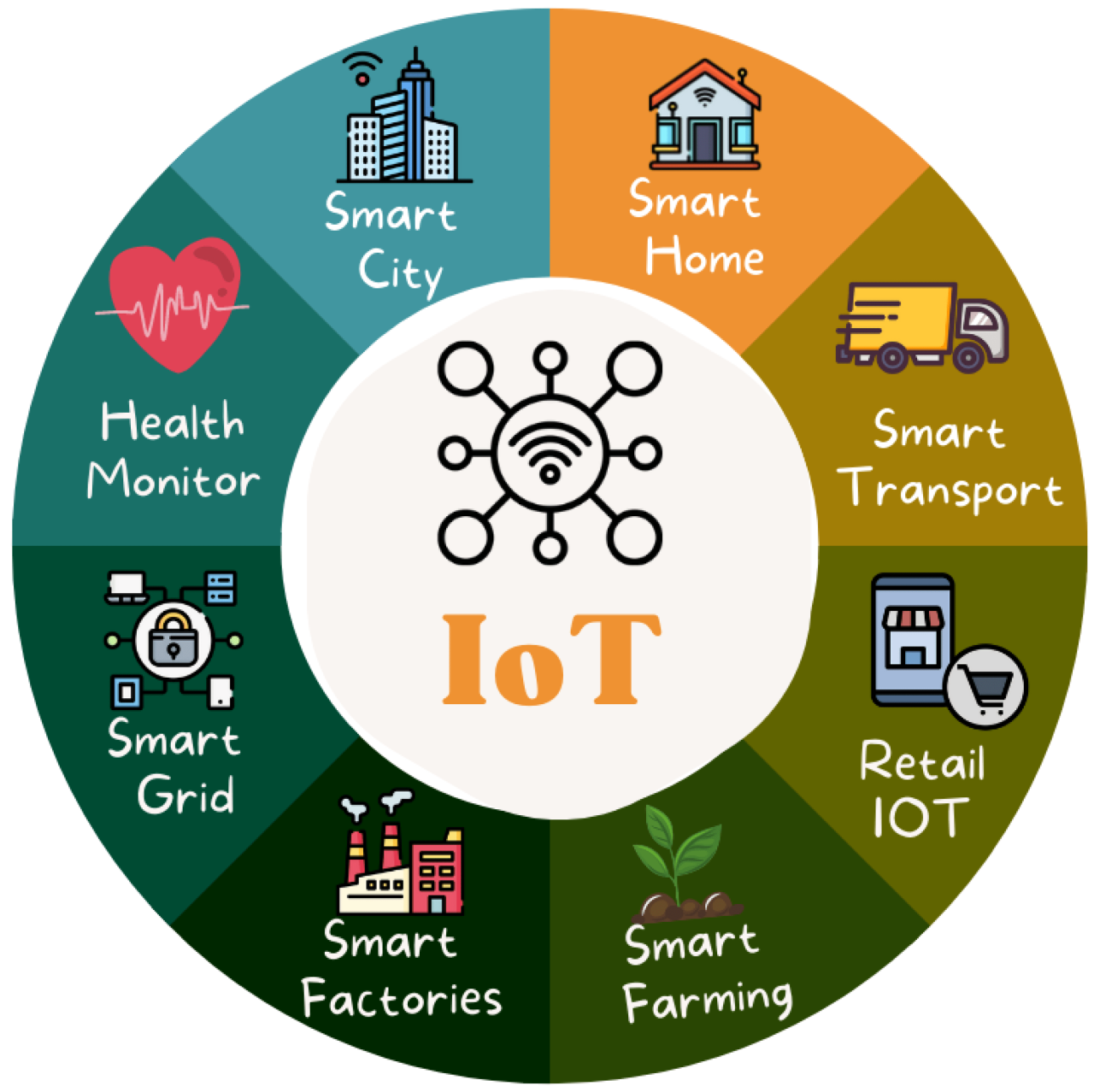
The integration of IoT devices into gaming presents a fascinating frontier, demanding robust technical infrastructure to support seamless experiences. From enhanced realism to personalized gameplay, the possibilities are vast, but the technical underpinnings must be equally sophisticated. This section delves into the crucial technical aspects, including the infrastructure, security, communication protocols, cloud support, and data flow to provide a complete picture of this emerging landscape.
Technical Infrastructure for IoT Gaming
The foundation of any successful IoT gaming application rests on a robust technical infrastructure. This includes the hardware (IoT devices), the software (game platforms and communication protocols), and the cloud infrastructure to handle the massive influx of data. Choosing the right hardware is critical for performance and functionality. A range of devices, from motion sensors to environmental monitors, can be incorporated into the game, each requiring specific processing capabilities and power consumption considerations.
The IoT is revolutionizing gaming, with connected devices enhancing gameplay experiences. Imagine a future where precision farming techniques, like those using AI in pest detection, could also enhance gaming strategy. AI in Pest Detection: Revolutionizing Agriculture with Advanced Technology shows how this technology can optimize agricultural practices. This translates to more immersive, data-driven gaming experiences, pushing the boundaries of interactive entertainment.
Scalability and reliability are paramount to accommodate future expansion and user growth.
Security Considerations in IoT Gaming
Security is paramount in IoT gaming. IoT devices, often connected to the network without robust security measures, become potential vulnerabilities. This poses significant risks, including data breaches, malicious attacks, and compromised gameplay. Implementing strong encryption, secure authentication protocols, and regular security audits are crucial. Implementing robust access controls and intrusion detection systems are essential to safeguard sensitive data and prevent unauthorized access.
Security must be an integral part of the design and development process, from device creation to data transmission.
Communication Protocols in IoT Gaming
Efficient communication protocols are vital for real-time data transmission between IoT devices and gaming platforms. The protocols must be capable of handling high volumes of data, low latency, and reliable connections. Common IoT communication protocols, such as MQTT, CoAP, and AMQP, play a significant role in achieving this. Choosing the appropriate protocol is critical, considering factors such as bandwidth requirements, power consumption, and the specific needs of the IoT devices involved.
Cloud Computing for IoT Gaming Data
Cloud computing plays a pivotal role in handling the large amounts of data generated by IoT devices in gaming. The cloud offers scalable storage, processing power, and analytical tools to support the vast datasets. Real-time data processing and analysis are critical to adjusting game parameters, monitoring player behavior, and adapting to real-time conditions. This enables data-driven insights into gameplay, user preferences, and system performance, ultimately enhancing the gaming experience.
Data Flow Diagram: IoT Devices, Gaming Platforms, and Cloud Services
The above diagram depicts the data flow between IoT devices, gaming platforms, and cloud services. IoT devices collect and transmit data to the gaming platform, which processes and analyzes the data. The platform then sends relevant data to the cloud for storage and processing. The cloud facilitates analysis and reporting, providing valuable insights for game developers. This iterative cycle enables a dynamic and responsive gaming experience.
Future Trends and Innovations
The future of IoT gaming is brimming with possibilities, promising to revolutionize how we interact with and experience virtual worlds. Expect seamless integration of connected devices, driving a surge in interactive and immersive gameplay. This evolution is fueled by advancements in AI, AR, and VR, creating a more dynamic and engaging gaming landscape.The potential impact of these technologies extends beyond individual players, potentially transforming the entire gaming industry.
Developers will be able to create more complex and realistic environments, while players will experience richer, more personalized gaming experiences. This shift is already underway, with early adopters seeing the benefits of integrated IoT devices.
Emerging Trends in IoT Gaming Technology
The integration of IoT devices in gaming is rapidly expanding, introducing a range of new trends. Smartwatches, fitness trackers, and even home appliances are increasingly being incorporated into gameplay, enabling more dynamic and personalized experiences. Players are able to utilize real-world data, seamlessly transferring it into the gaming environment. This opens up possibilities for unique gameplay mechanics and experiences, blurring the lines between the physical and digital worlds.
Potential Impact of AI and Machine Learning on IoT Gaming
AI and machine learning are poised to significantly enhance IoT gaming experiences. AI-powered systems can personalize gameplay, adapting to individual player preferences and skill levels in real-time. Imagine a game that dynamically adjusts its difficulty based on a player’s performance, offering a more tailored and engaging experience. This personalization extends to the game environment itself, with AI creating and modifying scenarios based on player actions and interactions.
Role of Augmented Reality (AR) and Virtual Reality (VR) in Enhancing IoT Gaming
AR and VR technologies are critical components in the future of IoT gaming. Imagine using a smart glasses to see augmented elements within your living room that seamlessly integrate with a virtual game world. AR can overlay digital elements onto the real world, creating hybrid gaming environments. Simultaneously, VR can immerse players in fully immersive virtual worlds, where IoT devices can further enhance the experience.
This fusion of physical and digital realms is a key trend driving innovation.
Integration with Other Entertainment Technologies
The possibilities for integrating IoT with other entertainment technologies are vast. Imagine a smart home system that responds to in-game actions, creating a cohesive and interactive experience. For instance, lighting can change based on in-game events, or appliances can be controlled remotely to enhance the immersion. This integration opens new avenues for entertainment, creating a more holistic and engaging experience.
Future Possibilities and Potential Challenges of IoT in Gaming
| Potential Applications | Challenges | Solutions |
|---|---|---|
| Personalized gaming experiences, dynamic game environments, integration with smart homes | Data security, privacy concerns, device compatibility, high initial cost | Robust security protocols, transparent data policies, standardized interfaces, collaborative development efforts |
| Enhanced immersion, real-time feedback, new gameplay mechanics | Scalability issues, maintaining a balance between physical and virtual worlds, development complexity | Cloud-based solutions, standardized platforms, focus on modular design, skilled workforce development |
| Hybrid gaming experiences, innovative monetization strategies | Content creation and management, user experience design, addressing ethical concerns | Creative collaboration, community engagement, establishing clear guidelines, educational initiatives |
Case Studies and Examples
IoT integration in gaming is no longer a futuristic concept, but a tangible reality impacting gameplay and industry dynamics. Real-world implementations showcase how connected devices enhance user experiences and reshape the competitive landscape. From augmented reality experiences to personalized gameplay, the potential for innovation is vast.
Successful Implementations in Specific Games
Several games have successfully incorporated IoT components to create unique and engaging experiences. For instance, a racing game might use sensors in race cars to track driver performance, enabling real-time feedback and personalized training. In a strategy game, IoT-enabled smart homes could simulate enemy environments, allowing players to adapt to varied conditions and challenges. This integration goes beyond simply adding features; it fundamentally alters the gameplay loop, often by introducing dynamic, unpredictable elements.
Innovative Gaming Experiences
IoT empowers the creation of unprecedented gaming experiences. Imagine a virtual reality (VR) hunting game where connected wildlife sensors alter the game’s difficulty and prey behavior. Or consider a team-based sport game where real-world sports statistics are incorporated into the virtual gameplay. These innovative applications not only enhance immersion but also create new challenges and strategies. Players adapt to a more dynamic, responsive environment, pushing them to learn and grow as players.
Challenges and Lessons Learned
While the potential is significant, challenges exist. Interoperability between devices and platforms is a key concern, requiring robust solutions to avoid compatibility issues. Data security and privacy are critical considerations, as sensitive player information is often collected and processed. Additionally, the high cost of implementing and maintaining IoT systems in games can be a hurdle for smaller studios.
Lessons learned from past implementations include prioritizing seamless integration and robust data security measures.
Success Stories and Failure Cases
Success stories demonstrate the power of IoT in enhancing engagement. A popular mobile game, for example, successfully integrated smartwatches to track player activity and offer rewards. This integration significantly increased user retention and engagement. Conversely, a failure case involved a VR title where poorly integrated motion sensors led to frustrating gameplay and user abandonment. This highlighted the importance of careful planning and thorough testing.
Notable IoT Gaming Case Studies
| Case Study | Key Features | Technologies Used | Results |
|---|---|---|---|
| Smart Home Simulation in Strategy Game | Dynamically changing enemy environments based on real-time data from connected homes; adaptive gameplay based on environmental conditions. | Smart home sensors, cloud computing, game engine integration. | Improved player engagement; increased replayability due to diverse environments. |
| VR Hunting Game with Wildlife Sensors | Dynamic wildlife behavior influenced by real-world sensor data; altering gameplay difficulty and prey patterns. | VR headset, wildlife sensors, GPS tracking. | Enhanced immersion; increased challenge and excitement; unique gameplay experience. |
| Mobile Game with Smartwatch Integration | Tracking player activity using smartwatches; rewarding active players with in-game bonuses. | Smartwatches, mobile app integration, game engine. | Significant increase in user engagement and retention; positive feedback from players. |
Concluding Remarks
In conclusion, IoT is poised to fundamentally alter the gaming landscape, impacting everything from the player experience to the business strategies of gaming companies. From the technical intricacies of connecting devices to the innovative applications in games, the future of gaming is deeply intertwined with the evolution of IoT. The potential to personalize experiences, create immersive environments, and generate new revenue streams is immense.
As we look towards the future, the challenges and opportunities of implementing IoT in gaming remain significant, but the potential rewards are undeniable, promising an exciting future for both players and developers.